History of Oakley
The Evolution of Oakley
Oakley and the nearby villages of Church Oakley, Deane, and Malshanger all appear in the Domesday Book. The name "Oakley" comes from the Old English Achleach, meaning "oak wood" — a nod to the ancient forests that once stretched from Oakley to Basingstoke. In 1392, oak timber from Manydown was used to build the roof of Winchester Cathedral.
Malshanger was once home to William Warham, Archbishop of Canterbury, who crowned Henry VIII and opposed his divorce from Catherine of Aragon.
Today, Oakley’s heritage lives on through its many historic sites. There are 17 listed buildings in Church Oakley alone, and Deane is almost entirely within a designated Conservation Area. Oakley Hall’s grounds are recognised as a Countryside Heritage Site by English Heritage, and the surrounding farmland is rich in archaeological interest.
Historically, Oakley was made up of several small communities – Church Oakley, East Oakley, Newfound, Deane, and Malshanger – linked by scattered farms and cottages. Growth began in the 1930s and accelerated after WWII, with major expansion during Basingstoke’s post-1960s development. Over time, the separate settlements merged into the Oakley we know today.
The combined population of Oakley, Newfound, Deane, and Malshanger is now around 6,000.
For more on the area's history, see Oakley – The Last 100 Years, published in 1994. Contact the Parish Clerk to find out how to get a copy.
A Brief History of Oakley & Deane Parish Council
Before 1894, local parish affairs were managed by informal village meetings, often dominated by the local squire, parson, and landowners. The Local Government Act of 1894 brought change, creating elected Parish Councils and separating local governance from the Church.
Oakley Parish Council held its first official meeting on 1st December 1894 at the Parish Room. At the time, the parish included only Church Oakley and Malshanger. The early council was a mix of local residents—a carpenter, a farm labourer, a station master, and the postmistress among them.
Over the years, the parish grew. In 1968, Oakley merged with East Oakley, and in 1976, it expanded again to include Deane, becoming the Oakley & Deane Parish Council we know today. The council now covers six wards, represented by thirteen councillors, serving a population of around 6000.
Council meetings evolved from annual and quarterly gatherings to regular monthly meetings, with additional Planning Committee sessions. While the format has modernised, many concerns remain familiar—street lighting, road conditions, housing, and public safety.
The Parish Council’s role has grown more complex, especially since the Local Government Act of 1972, with responsibilities shaped by various laws. Parish Councils must stay within strict legal and financial guidelines, but they continue to have a vital role in representing and supporting their communities.
Despite over 130 years of change, the Parish Council remains rooted in its original aim: to give local people a voice in the decisions that shape their village.
Oakley in the Past
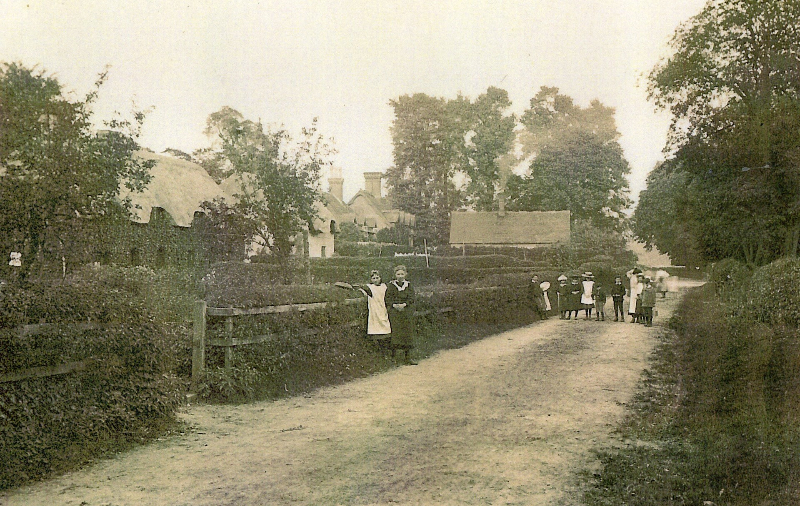
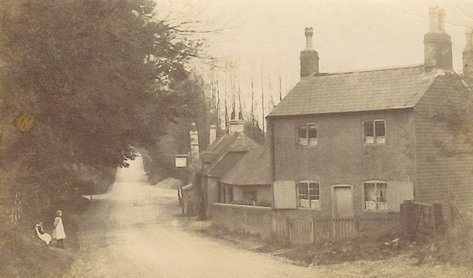
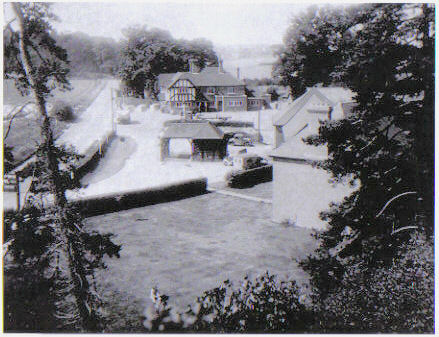
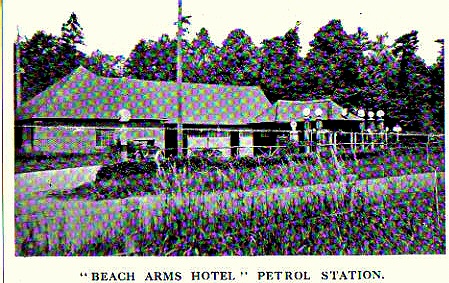
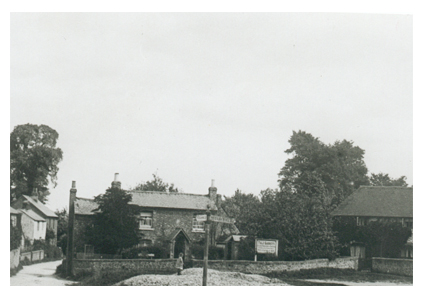
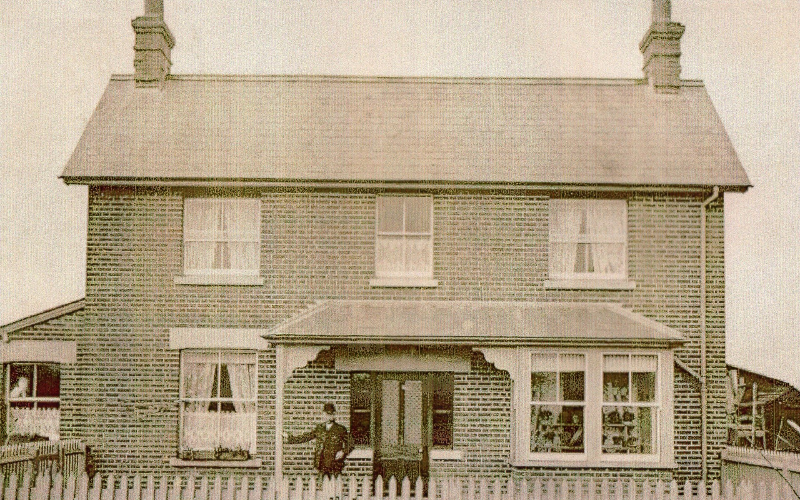
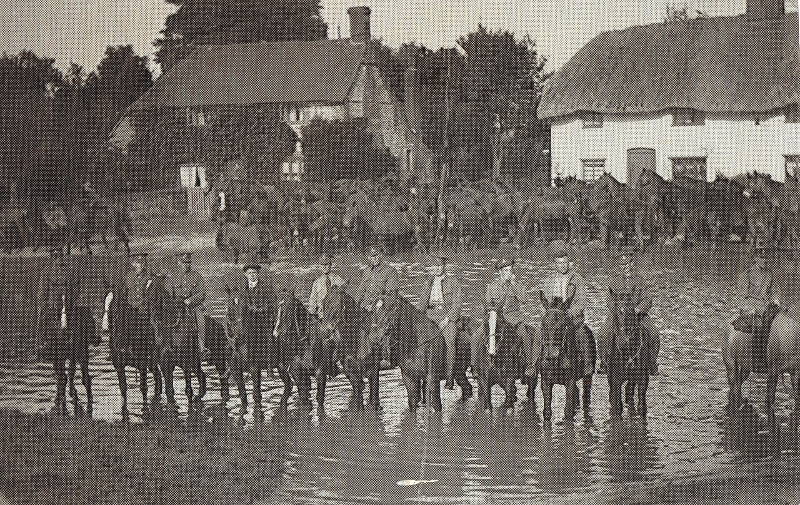
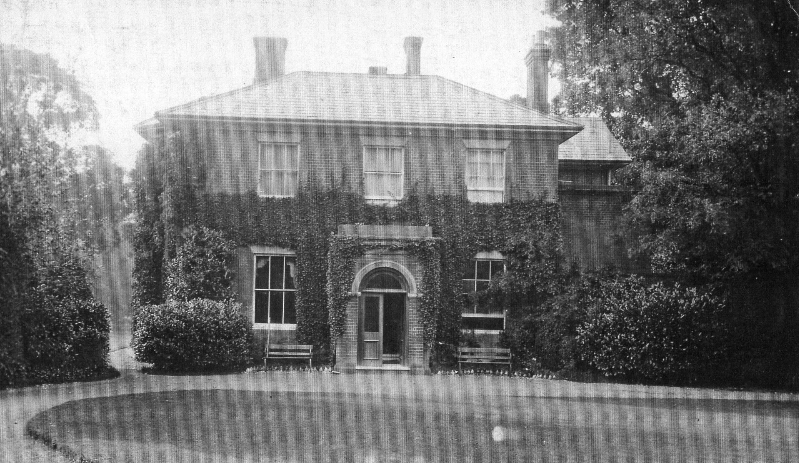
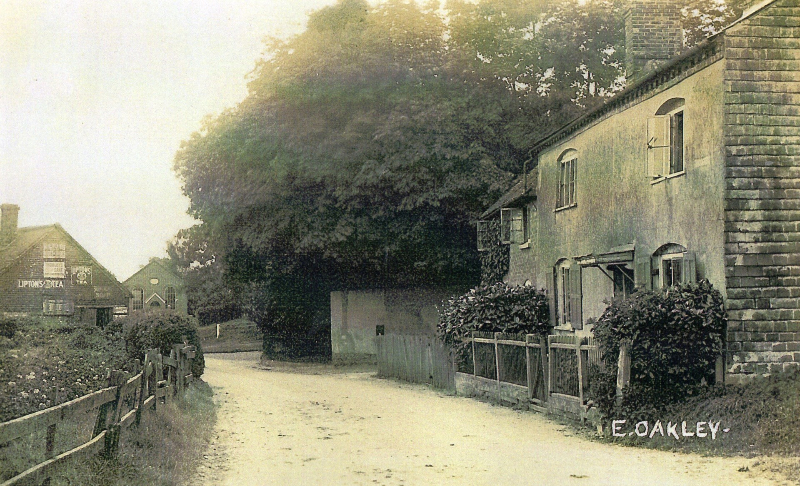
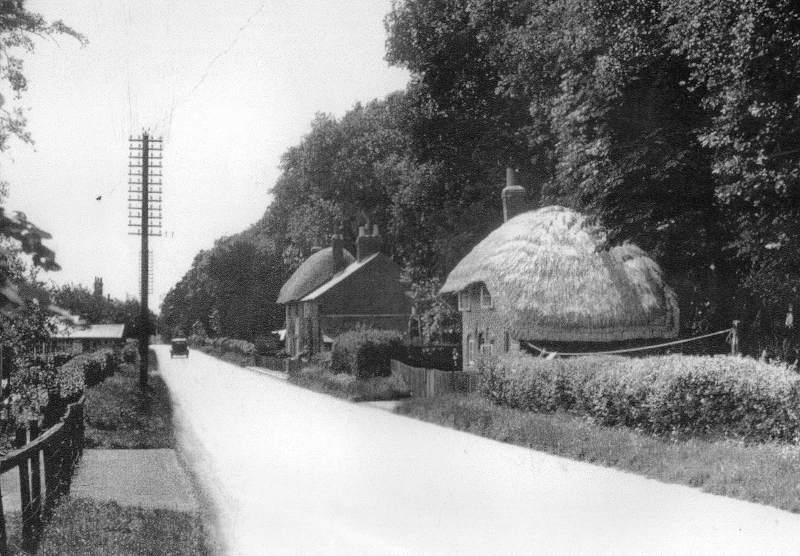
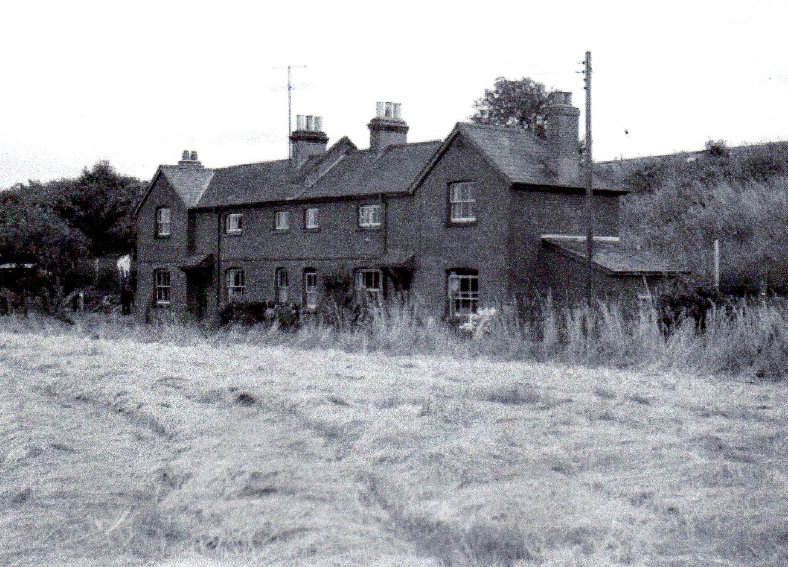
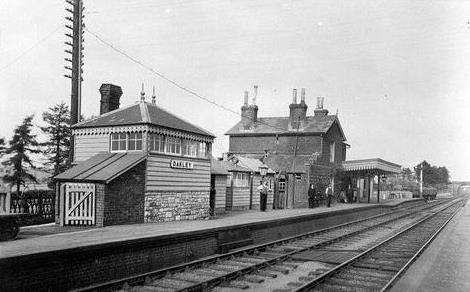
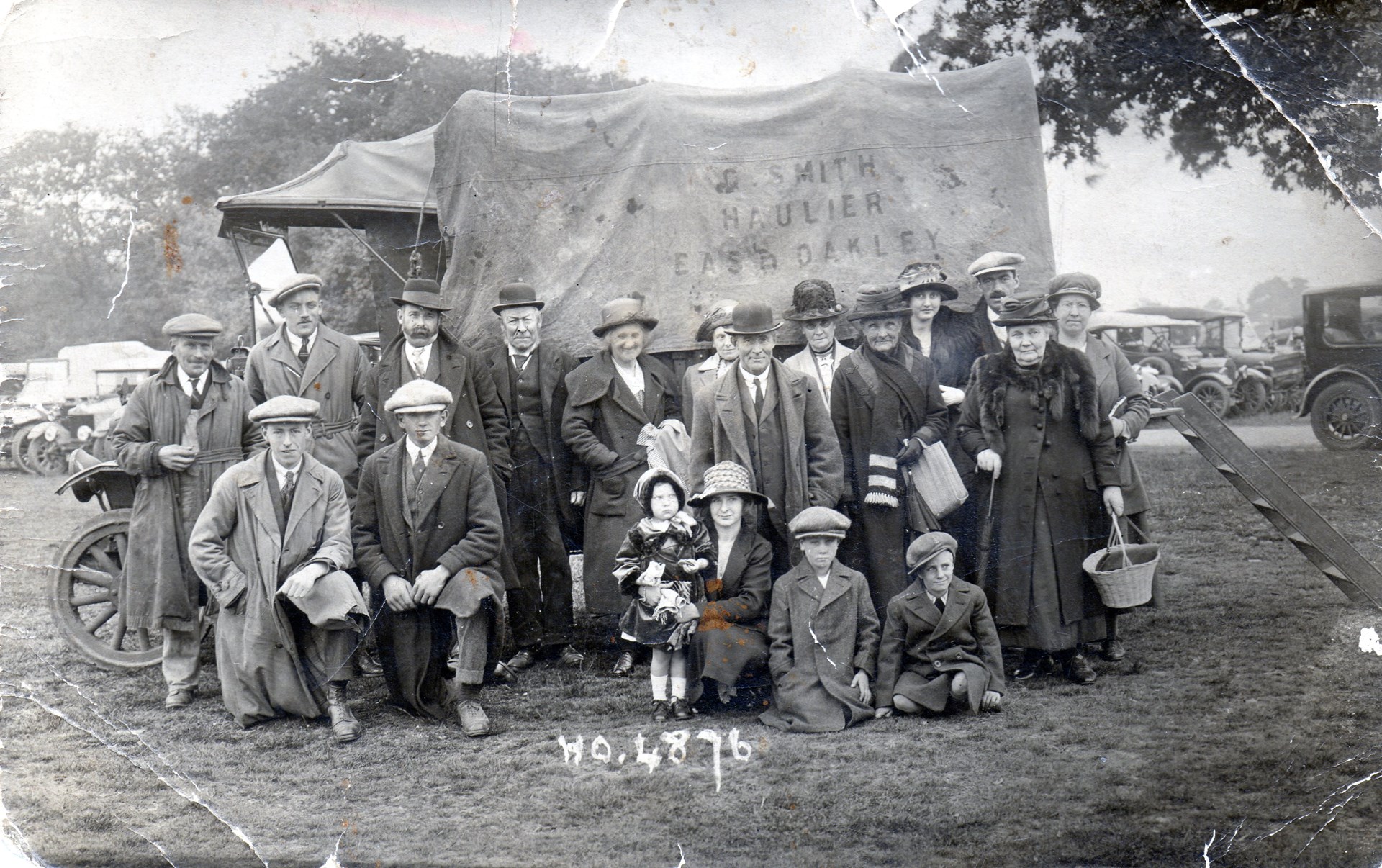
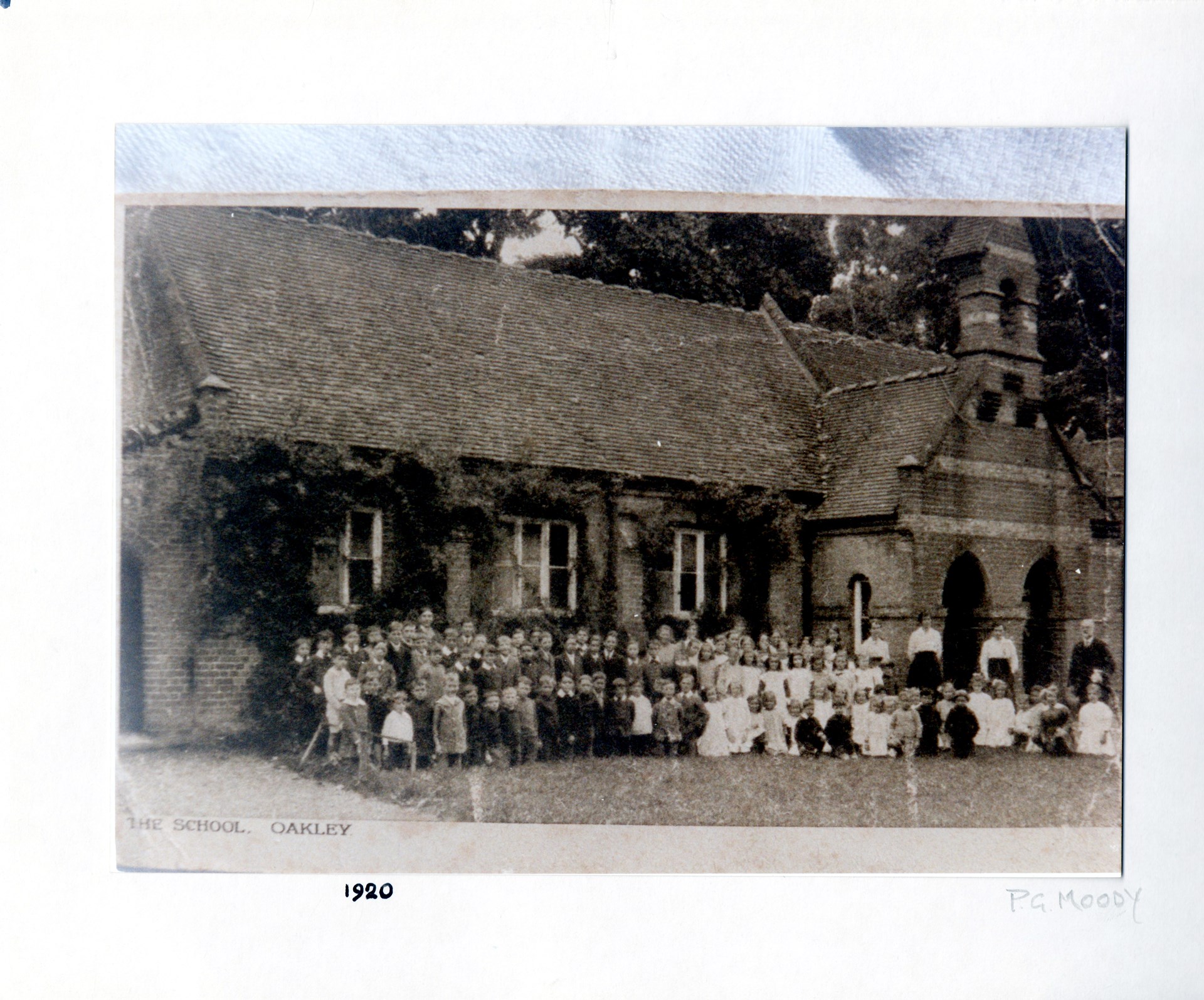
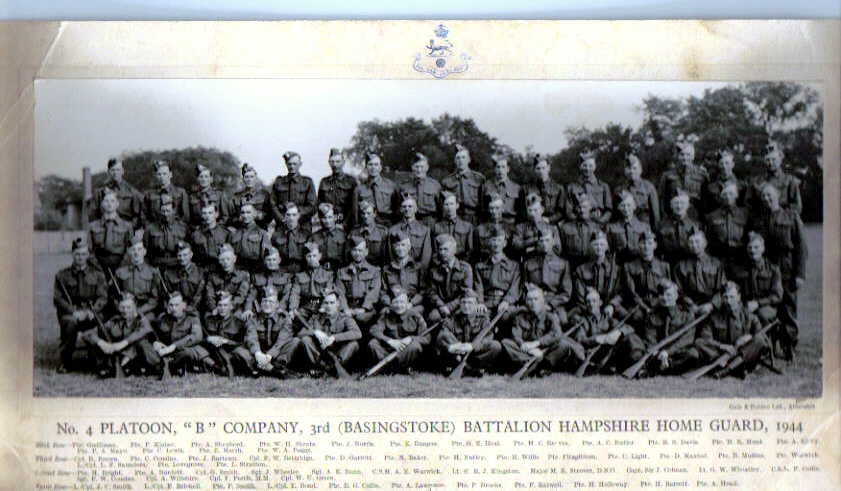
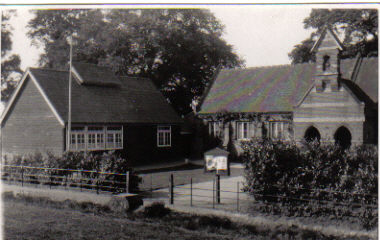
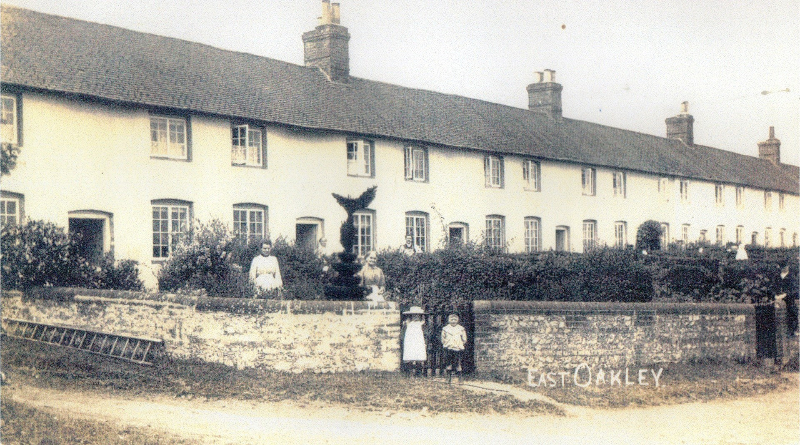
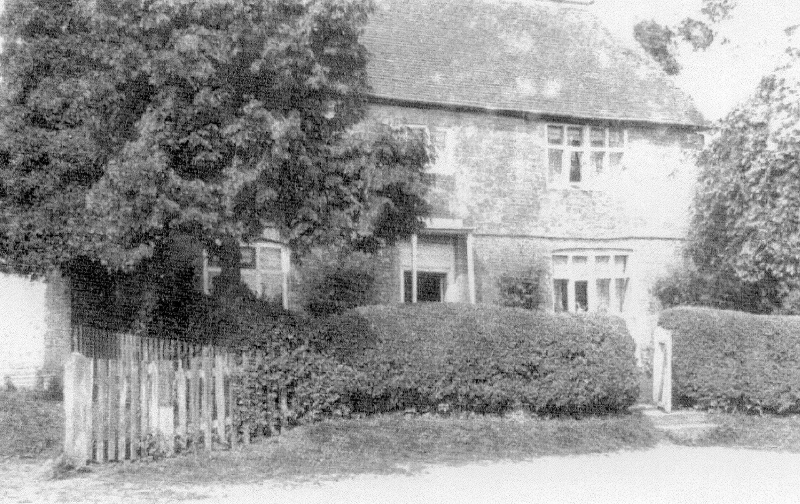
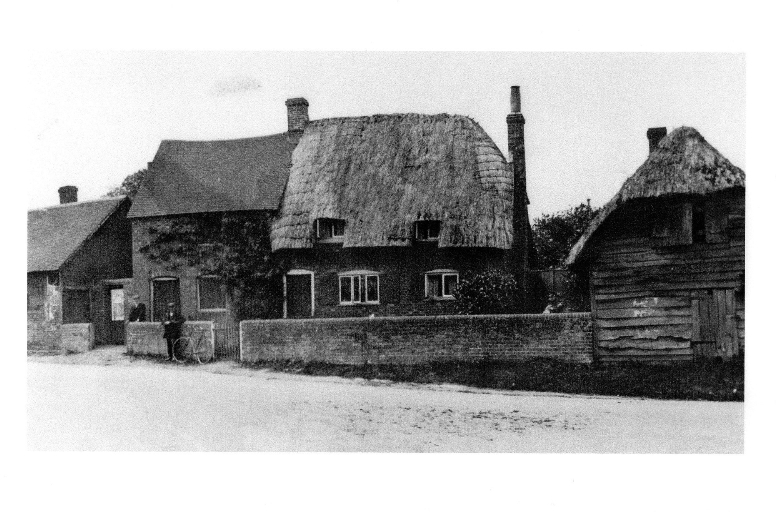
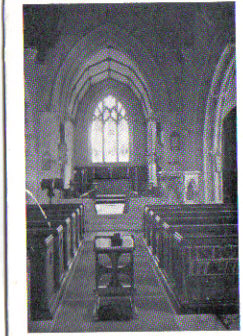
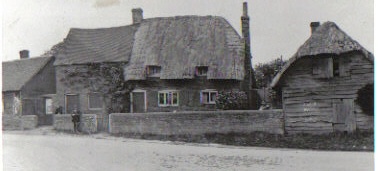
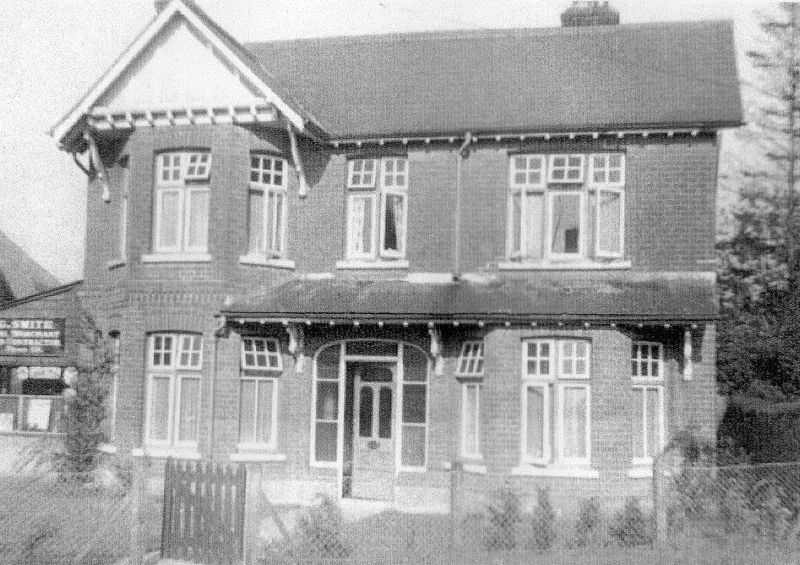
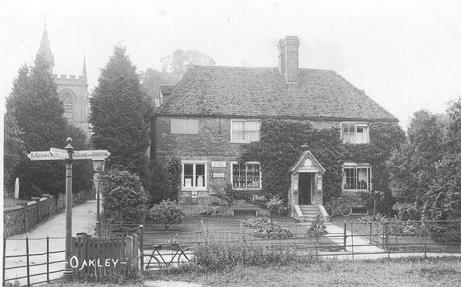
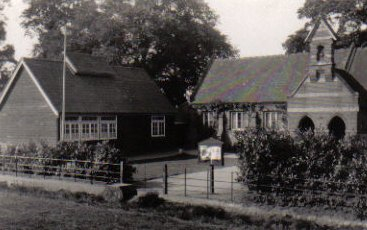
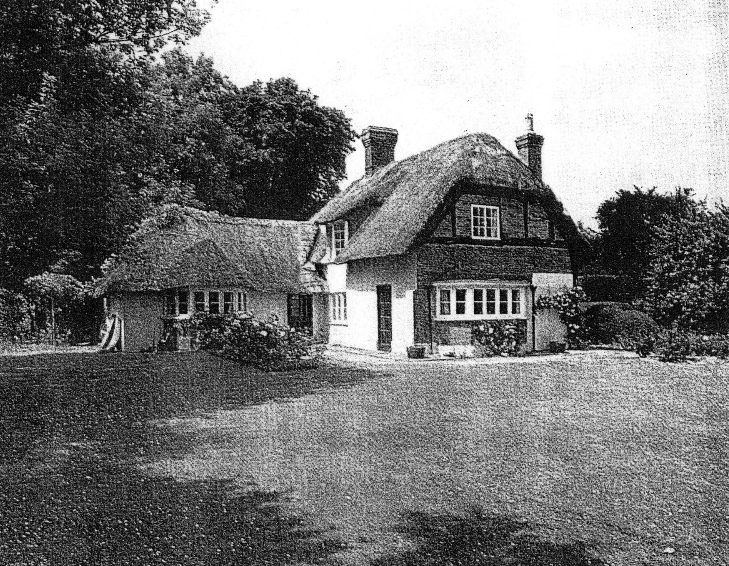
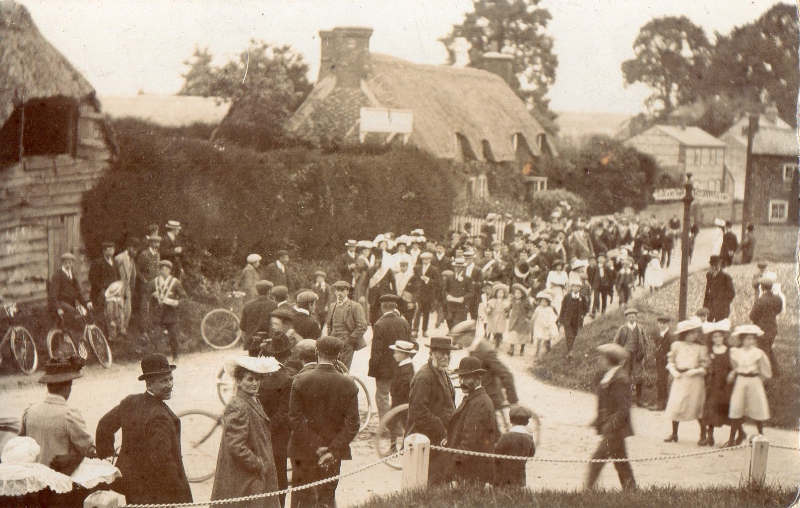
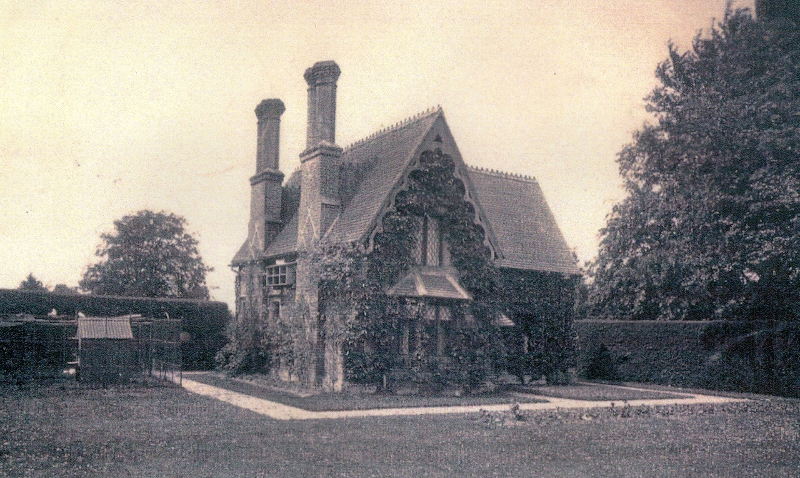
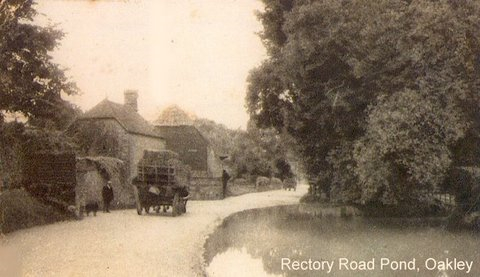
Browse these historic photos of Oakley—some scenes remain familiar, while others have vanished over time.
The Parish Council thanks all residents who shared photos for events since the first book in 1994. Many of those originally interviewed are no longer with us, making these images a valuable record of Oakley’s village history.